Be in the know! Here are the new superfoods for 2015

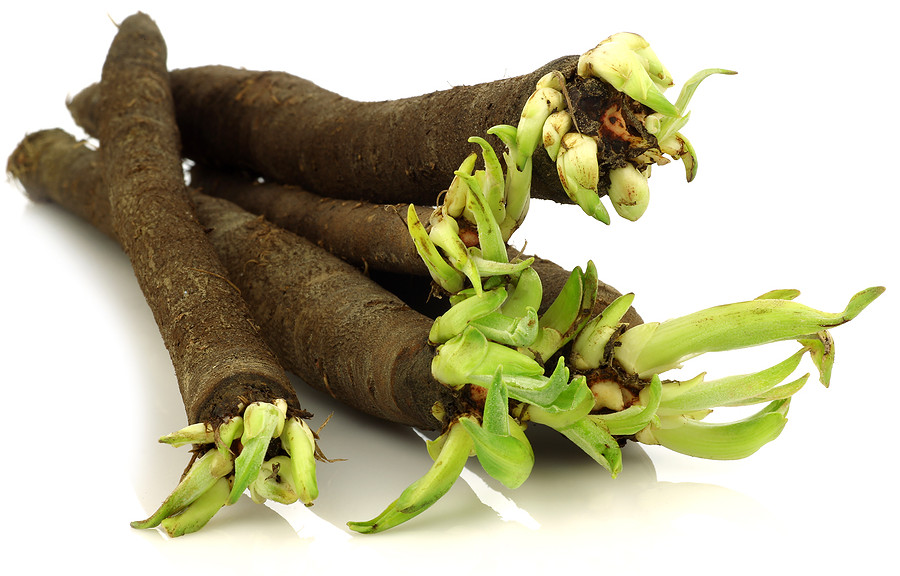
black salsify

Do you know your superfoods? A marketing term that was coined to describe foods that contain a myriad of health benefits, superfoods have become major trends among the health conscious in the past couple of years. And if you knew that 2014 was the year of quinoa and kale as the superfoods of choice, then pay close attention because 2015 is going to be the year of black salsify, teff and fermented (or pickled) vegetables.

Satisfy your appetite with black salsify

Black salsify is a root vegetable that looks not unlike a short, stubby Cuban cigar. This root crop isn’t just a great vegan source of iron, it also promotes good bacteria in the gut and is a source of copper and vitamin C. While young salsify can be peeled, grated and eaten raw, this root crop is usually steamed, fried, roasted, boiled or pureed into soups.

One very tasty recipe for salsify fritters involves peeling and grating the root crop, cooking it in butter until soft, and putting everything into a bowl. Mix with 1 clove of crushed garlic, 1 small, finely diced red chilli, 3 tablespoons finely chopped coriander, 1 beaten egg and 1 tablespoon of flour. Season well and shape into 6 fritters, which are then fried in butter or olive oil for 4 minutes on each side until golden. Serve with a rocket salad and Red Kellys Hot Dynamite Chilli dipping sauce.

Get the teff factor

Make the switch to teff, which is a great non-dairy source of calcium, protein and iron. Teff is a gluten free grain that hails from Ethiopia and, with its mild, nutty flavour, is a great grain alternative for those who have problems with their digestive system.

For a healthy gluten free porridge, try making teff porridge with apples, dates and pecans. Toast ½ cup of teff grains in a saucepan on a medium-hot gas or electric hob, stirring regularly to ensure it doesn’t burn. After 10 minutes, when the grains start to “pop”, remove from heat. Add ½ cup of water, a tablespoon of butter, ½ teaspoon of cinnamon and 3 chopped and pitted dates. Stir, bringing the mixture to a gentle boil. Cover the pan and simmer for about 15-20 minutes. Once the grains are thickened, remove from heat and stir in ¼ cup of milk or cream, ladle into bowls, top with chopped apple and pecans, and sweeten with honey if preferred.

Go back to fermented vegetables

Good old fermented vegetables (or pickles) such as pickled cabbage, onions or beetroot are making a comeback. Now hailed as a “must have” superfood, these old fashioned favourites are great accompaniments for a range of crunchy and crisp salads. To add a little extra zing to your salad, serve with a Red Kellys Smooth Tangy Traditional or Red Kellys Tangy Spiced Italian dressing.

Most popular salad dressing flavours and their uses

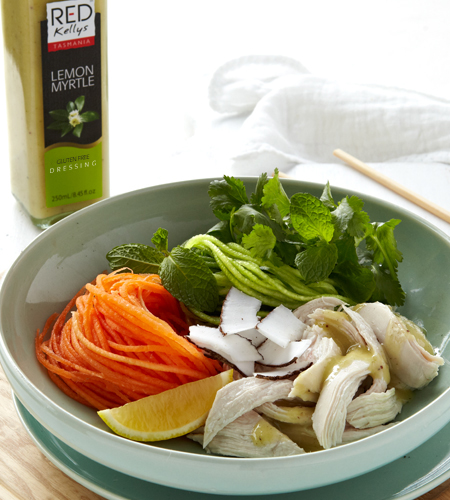
RK_AsianChicken_LemonMyrtle
Salad dressings have been around in their most simple format, a combination of oil and herbs or mustard and honey, for hundreds of years. But while salad dressings today come in all forms and flavours, with a rich variety available on supermarket shelves, there are several that have stood the test of taste buds over the decades. Here are the most popular salad dressing flavours, and the types of dishes that they go best with.


Smooth sweet mustard dressing

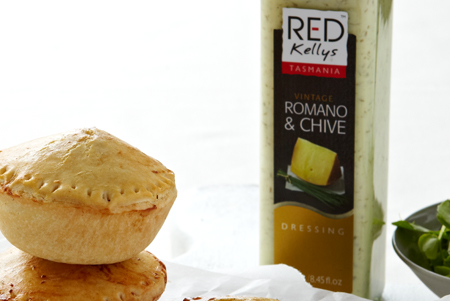
The blend of mustard in Red Kellys Smooth Tangy Traditional dressing goes well with a number of dishes, but particularly with new baby potatoes. Cook the baby potatoes in boiling, slightly salted water, then drain and immediately toss in the salad dressing, along with finely chopped spring onions and snipped pieces of chive, for a warm salad that will accompany a number of spring or summer meals.


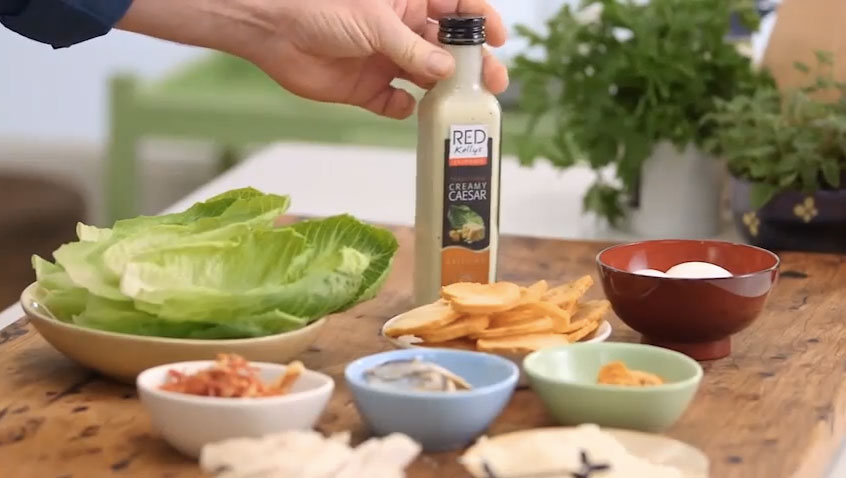
Creamy Caesar salad dressing

Widely believed to have been created in Mexico in the 1920’s, the original Caesar salad did not allow for forks and knives to be used. Rather, the leaves of the Romaine lettuce in the salad acted as a “scoop”. Heaped upon the leaves were a mixture of anchovies, egg yolks and croutons, along with a dressing that also incorporated Parmesan cheese. Today, the popular salad is easily recreated with Red Kellys Traditional Creamy Caesar dressing, and enjoyed with or without the aid of cutlery.


Basil and garlic dressing

A salad comprising slices of large Mediterranean tomatoes, peeled cucumber and slivers of feta mixed with Kalamata olives, chopped red onion and a sprinkle of oregano only needs a basil and garlic dressing to complete the dish. Serve with roast lamb and warm pita bread to mop up the juices, or with moussaka for a Greek feast. Another popular recipe is to cook baby potatoes, tear up fresh basil leaves, and chop bacon that has been grilled until crispy into small pieces. Combine all three ingredients and pour Red Kellys Smooth Basil and Garlic dressing over it.


Italian salad dressings

Red Kellys Tangy Spiced Italian dressing with a tomato base is very popular and often used in pasta dishes. Pasta twists, or the butterfly farfalle pasta, is the best sort to use in a salad dish as it holds its shape. Cook until “al dente”, or with a bit of a bite, and coat with the dressing. Then add cherry tomatoes, mozzarella cheese and, if preferred, thin strips of Parma ham, and lightly season with cracked black pepper.

Tips on how to make your salads more interesting

interesting-salad

Salads have come a long way from a few slices of tomato and cucumber carefully placed on a bed of lettuce. These days, a bowl of salad can be a meal in itself, and there are a number of ways to mix and match ingredients that will provide you and your guests with a show-stopping dish.


Start getting a little fruity in the kitchen

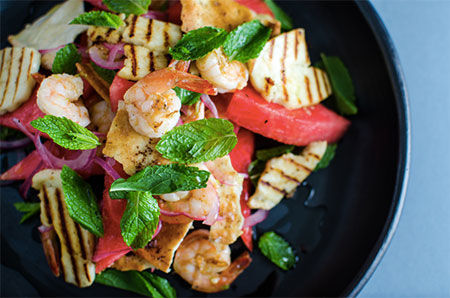
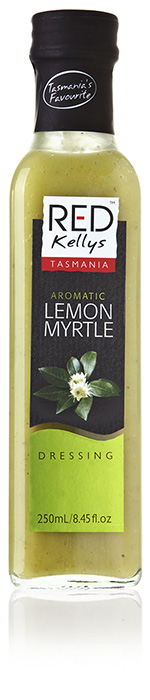
Don’t just restrict yourself to salad vegetables or consider fruit salads only as part of your dessert offerings. Thinly sliced circles of blood oranges or overlapping grapefruit pieces sprinkled with pink peppercorns are a feast for the eyes as well as the stomach. Top this off with a lemon myrtle salad dressing, and you have a delicious and tangy side dish.

Try adding grilled strawberries tossed in balsamic vinegar and placed on a dish of radicchio leaves for an unusual hot salad offering. With a pot of raspberry dipping sauce, this is a fruity choice that everyone will enjoy. Also, consider grating the white flesh of a coconut and chopping and peeling a mango, then tossing this with a mixture of chopped red peppers and cress leaves. Finally, grate peeled ginger, add a squeeze of fresh lime and a tablespoon of olive oil, and mix well, coating all the ingredients.


Edible flowers

Flowers should not only be used to decorate the dining room table; there are a number of varieties that can be added to a salad as well. (It is important before rushing out to pick a large bouquet from the garden and using this as a basis for a meal that you check whether the plant is edible, as some, such as the foxglove, are poisonous.)

For a very pretty and colourful dish, start with the basics of arugula or salad rocket, add thin slices of cucumber, and coat with a tangy traditional salad dressing to complement the peppery taste of the rocket. Next, take the petals of the common garden marigold, making sure they have been washed and are free of garden pesticides (and garden pests!), along with the blue flowers of the borage. Arrange on top of the salad and serve with a glass of chilled wine.


Super salads

Super foods or nutrient rich foods containing large amounts of antioxidants, vitamins and minerals are definitely the flavour of the month. One such superfood is quinoa (pronounced “keen-wah), which is a complete protein suitable for those on a gluten-free diet, while another is kale. Both are excellent ingredients to add to a salad.

With quinoa, simply combine the cooked grains with thinly sliced strips of red peppers, carrot and chopped raw, red cabbage. Then add slices of celery and unsalted cashew nuts, and dress with Red Kellys Sweet Chilli and Lime salad dressing for a power packed and filling salad meal.

For a raw superfood salad that is colourful and healthy, combine kale, thin strips of beetroot, carrot, chopped broccoli and courgette, either grated or roughly chopped, and toss in a dressing of Red Kellys Smooth Basil and Garlic.

Lastly, a personal favourite has to be the recipe that marries fresh figs, mixed crisp salad leaves, the jewelled pips of the pomegranate and a grating of organic dark chocolate. Use Red Kellys Fruity Raspberry sauce to add a decorative touch by drizzling it on one side of the serving plates, and heap the salad ingredients on the other.

Salads don’t have to be boring. These are just a few ways to make your salads more interesting, so why not mix up your salad ingredients and try a few new recipes today?

What should consumers look out for when buying salad dressing?

RK_LemonMyrtle

There is a large range of salad dressing available on supermarket shelves to tempt even the most selective consumer. Ready-made dressings are of great benefit to busy people who need to prepare a meal in double quick time, but before you select a jar or bottle purely based on cost and convenience, it pays to take a closer look at the ingredients.

The principal ingredient in salad dressing is oil, which is fairly obvious when the role of the dressing is to not just flavour, but also bind salad ingredients or vegetables. Olive oil, sunflower, canola, soybean, bran and also peanut oil can be used, then, depending on the flavourings, eggs, salt, spices and herbs, vegetables, vinegar, honey or sugar, citrus juice as well as sherry and, in some cases, a number of additives could also appear on the ingredients list.


Hypersensitivity

For those who are sensitive to particular foods, coming into contact with them could cause extreme allergic reactions and, in some cases, be fatal. Peanut allergies are one of the most severe food allergies in the world today, and could cause the affected individual to go into anaphylactic shock, which is life threatening. Therefore, checking that peanut oil is not present within the salad dressing before buying is a necessity.

Egg allergies are more common in young children, as they do tend to outgrow it when they get older. Baked and cooked eggs are not a problem, but loosely cooked eggs, such as those found in mayonnaise, could be.

Sulphides produced by the fermentation process when producing alcohol also could cause difficulties for a small number of people. If the dressing includes sherry, then this should be noted for those who suffer from this allergy. Unfortunately, fermenting wine into vinegar does not remove these sulphides either, but using acetic acid plus water to make your vinegar can overcome this issue (and keep it gluten free).


Sugar and salt content

Again, for those with diabetes or high blood pressure, any food item that contains “hidden” salt or sugar content can be a red flag, so read the labels carefully.


Monosodium glutamate

This processed additive, which can be found in over 40 varieties and under a number of different names, is also something to watch out for on the label of your salad dressing. Maltodoxin, MSG and hydrolysed vegetable protein are just some of the names it goes under, but in all of its different forms, it is considered to be a neurotoxin. MSG is also a chemo inducer of Type 2 diabetes, obesity and metabolic syndrome.


Partially hydrogenised oil

This is used by manufacturers in a number of food products, including salad dressings, because of its ability to stabilise the flavour of foods and increase their shelf life. It is another ingredient that the consumer needs to take note of because it is the primary source of trans fat. Trans fat is a substance that the body finds hard to dissolve, unlike saturated fats that are twice as easy to dissolve.

Consumers who are trying to lower their cholesterol do need to watch out for this additive in their food products because it decreases the “good” type of cholesterol known as HDL cholesterol. Trans fat also boosts LDL or “bad” cholesterol so it is worth looking out for in ready-made salad dressings.

Choosing salad dressings that come from a reputable company that focuses on traditionally made food items, using local and natural sources of ingredients, and that offer you a comprehensive list of items contained in the dressings will help you and your family to maintain a healthy, balanced and tasty diet.

Prawn & Potato Salad with Red Kellys Tasmania Sweet Chilli and Lime Dressing

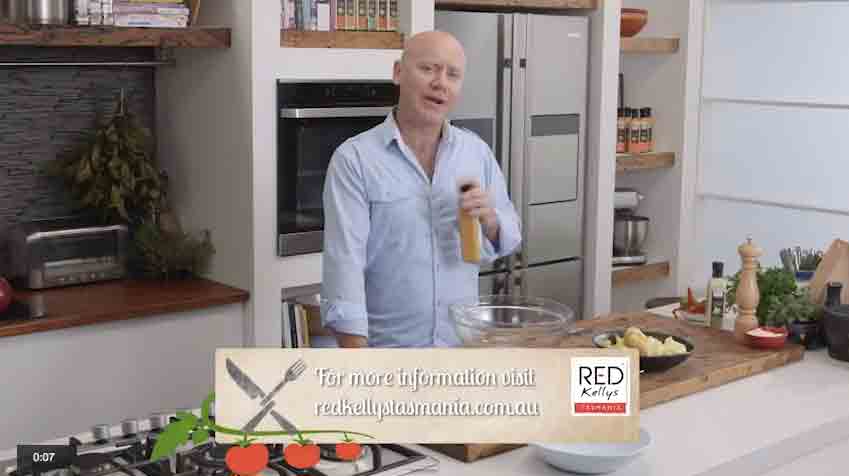
Weekend Feast is a Channel 10 cooking show that features a range of the best chefs from the most recognised cooking shows in Australia. Red Kellys Tasmania was privileged to be featured in Weekend Feast in a delicious Spiced Prawn and Potato Salad recipe. A clip of this sumptuous recipe can be viewed below!


The recipe combines potato, prawns, mayoanise, crème fraiche, chillies and coriander, seasoned with pepper and salt. Furthermore, it is topped with crispy garlic and splashes of our very own Red Kellys Tasmania Sweet Chilli and Lime salad dressing.

For copy for this recipe, just click here.

Our Red Kellys Tasmania Sweet Chilli and Lime salad dressing is one of our newer dressings and has already become one of our top sellers in the supermarket. This dressing is a sweet mustard style dressing with a sweet chilli and zesty lime undertone. It has a gourmet flavour and is designed for people to relate to and appreciate. It is versatile, working with most ingredients. Many have provided great feedback, mentioning it works with marinating fish fillets and chicken, and even works wonderfully with Asian style salads. Check out your local supermarket to purchase this particular dressing, as well as the range of all other Red Kellys Tasmania dressings.