5 Gift wrapping ideas and hacks

Receiving gifts might be one of the best things about the holiday season, but wrapping gifts? Not so much. If you’re anything like us, you’re probably always on the lookout for easy, quick yet beautiful ways to wrap your Christmas presents. Well, you’re in luck! Here, in no particular order, are 5 gift wrapping ideas and hacks that just might come in handy this Christmas:

1. Fabric instead of paper

Do you struggle with those oddly shaped presents that are just impossible to wrap nicely? Use a festive piece of fabric instead of paper, and tie the gathered corners together with a shiny ribbon. This is also a great, eco-friendly way of reusing old scraps of fabric.

2. Put it in a box or container

Another thing you can do with oddly shaped items? Put them in a recycled container (make sure it’s clean!) first. Great examples include cereal boxes or any other box that you have lying around, and empty paper towel rolls or even toilet paper rolls for small items like nail polish.

3. Do it like a pro

Place the item on the wrapping paper diagonally. Watch:

4. Always wrap on a hard surface

This might seem like a no brainer but we’ve all tried to wrap presents sitting on the carpet or floor of the family living room – and more times than not, we end up getting frustrated and ripping the paper.

Also, if you’ve got a soft item like a scarf, for example, wrap it together with a piece of cardboard (you can cut a piece off a cereal box) so you have a hard surface to work with.

5. Don’t forget the post-it notes

Do you wrap all your gifts first before adding nametags or Christmas cards? Do you always forget what’s in a beautifully wrapped package and whom it’s for because you didn’t label it immediately? Keep a stack of post-it notes by your side while you’re wrapping, and use them.

5 Easy to make Christmas decorations

Want to get crafty this Christmas? Whether you’re the DIY sort looking to add a personal touch to this year’s festivities, or just want to get the family involved in a little seasonal art and craft, these 5 easy to make Christmas decorations are right up your alley. They’re easy to make and will look great in any home, so make them for yourselves, as simple gifts, or even as Christmas party favours!

1. Personalised Christmas ornaments

2. Christmas Wreath

3. Christmas Ornament Ball Tree

4. Simple Centrepieces

5. Christmas Angel Tree Topper

Top 6 places to go fishing in Tasmania

Some of the best things about living in Tasmania are the abundant wildlife, stunning outdoors and, of course, the amazing local produce. We count ourselves very fortunate to have some of the best food and drink available in Australia right in our own backyard, and for those who love being outdoors, there certainly isn’t a lack of options either.

As you may or may not have known, we at Red Kellys Tasmania love to go fishing, and to celebrate the arrival of spring, we thought we’d share our pick of the best six fishing spots in our beloved Tassie. Here goes:

Eaglehawk Neck

1. Eaglehawk Neck

There’s plenty to do at Eaglehawk Neck, including sightseeing, surfing, bush walking and access to the Port Arthur Historic Site, but as far as we’re concerned, fishing is on the top of the list.

Well known for big game fishing – think large southern bluefin tuna, yellowfin tuna, mako sharks, albacore, swordfish and even the occasional striped marlin – there are fishing charters available, or if boats aren’t your thing, then simply head to the jetty in Pirates Bay, near the Blowhole, at dusk and wet a line for some mackerel or calamari.

Alternatively, you could also head out to Eaglehawk Bay where you might be lucky enough to land some flathead from the shore.

Whether you’re an experienced angler, someone who likes to cast a line once in a while or even a fishing newbie, you could do a lot, lot worse than Eaglehawk Neck. In fact, the fishing here is so good anyone who’s less than passionate just might find themselves becoming a convert.
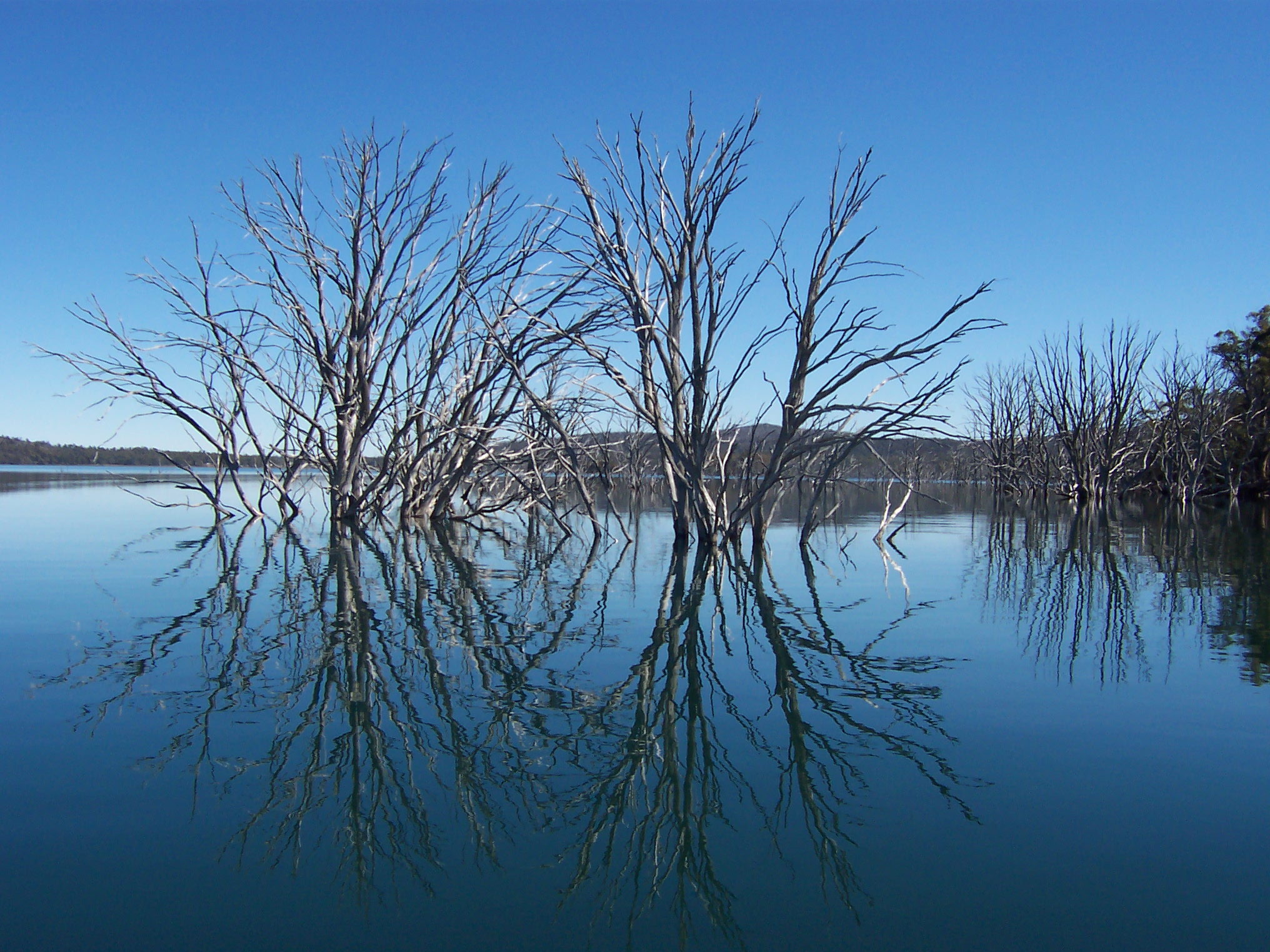
Arthurs Lake

2. Arthurs Lake

Situated approximately 95 km from Launceston, Arthurs Lake boasts an estimated average catch rate of 2.5 trout per angler per day, averaged over 10,000 anglers, making it one of the best chances an inexperienced angler has of landing a trout. Not surprisingly, it’s touted as the best wild brown trout lake in Australia, and even among the best in the world.

From weedy bays and sandy beaches to tree lined shores and rocky reefs, the environmental diversity and abundant fishing opportunities at Arthurs Lake are staggering, and any fisherman worth his salt would be spoiled for choice.

There’s excellent boat fishing to be had here of course, with three major boat ramps servicing the water – Pump House Bay, Arthurs Dam (for larger boats) and Jonah Bay, which is closest to the famous “Cow Paddocks”.

Jonah Bay and Pump House Bay might be the most well known and very, very popular, but don’t for a second be fooled into thinking that’s all there is to Arthurs Lake fishing. With the help of one of the many guides that work the area, you could (and should) visit different parts of Arthurs Lake that fish better and are less “crowded”.
West Coast Tasmania

3. West Coast

The west coast of Tasmania is perfect for fishing, potting, diving, and did we mention fishing? There are plenty of fishing spots available – from stunning lakes and tranquil streams to mountain rivers and beautiful beaches – and even more fish to be caught! Cray fishing is especially bountiful in these parts, and guides are available to serious fly fishermen who might like to visit those secret places that only the locals know about.

Perhaps surprisingly, surf fishing along the coast isn’t as popular as it should be, because there are some truly stunning surf beaches in the area. Should you decide to engage in some surf fishing, keep your eye (and line) out for Australian salmon!

If you’re in Tassie for less than a week, here’s what an expert recommends: three days chasing bream, the day after that chasing big salmon, and on the last day, take a boat out for some southern bluefin tuna and, if you’re lucky, perhaps even a mako shark or striped marlin.

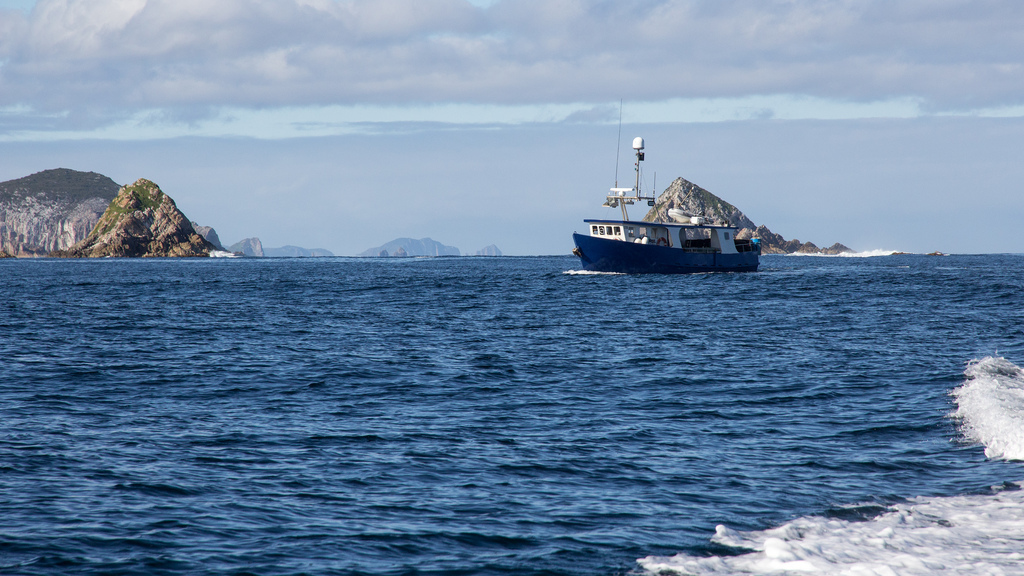
Pedra Branca

4. Southern Islands

The fishing in the southern part of Tasmania is great, but Pedra Branca, Australia’s southernmost national park, takes it to another level, especially when it comes to southern bluefin tuna. Just bear in mind that you will need a pretty decent sized vessel to tackle southern bluefin tuna, so professional charter boats really often are the way to go.

Here in the southern seas of Tasmania, one can expect short swells and sometimes very choppy waters, so be warned. Ironically, while calm weather would certainly make for a more pleasant day out, it is when the seas are rough that most fishermen find it most productive. And of course, Pedra Branca, which is some 26 kilometres off the southeast tip of Tasmania, is among the most productive areas of all.

Most trips to Pedra Branca depart from Southport while others depart from Catamaran, which is the closest launching ramp. It’s well worth the trip, for out here is marine life at its richest – in addition to a massive haul, expect to be fishing among breeching whales, diving sea birds and lots of seals. Be sure to try bottom fishing on the reefs for striped trumpeter, one of the best table fish in the ocean, and while you’re in the southern islands, the Maatsuyker Group of Islands is another prime spot you won’t want to miss.
East Coast Tasmania

5. East Coast

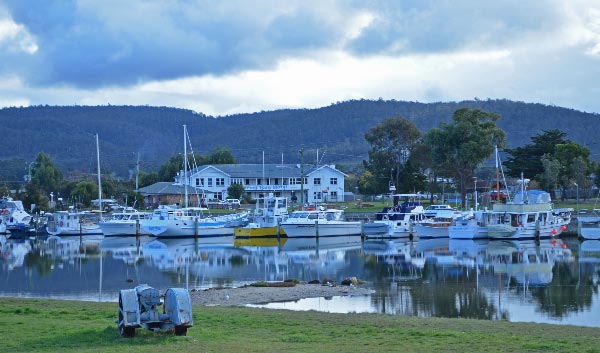
The east coast of Tasmania is heaven for anglers of all levels, with the area around Coles Bay and Swansea being especially perfect for calamari, flathead and gummy shark fishing. Experienced anglers especially recommend the stretch from St. Helens Point all the way down to Bicheno.

Try your luck at a beach, jetty or river, or if you’re really game, most coastal towns offer boat ramps and gear hire too. There are plenty of good fishing spots along the Great Eastern Drive, while the really adventurous might even want to try for abalone or southern rock lobster (licenses required).

The rivers on the east coast of Tasmania are said to offer some of the best bream fishing in Australia, with the Derwent River boasting the biggest weight of bream ever weighed in an ABT (Australian Bass Tournaments) bream tournament – nearly 13 kilograms for 10 fish. Other top spots include Little Swanport, Swan River, Scamander River, Ansons River and Musselroe River.
St Helens

6. St. Helens

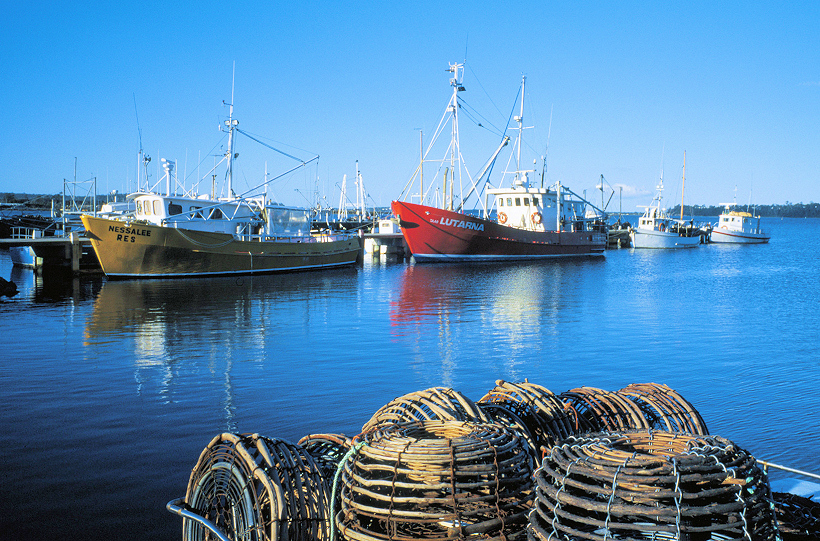
Located on the east coast of Tasmania, nestled on Georges Bay, the township of St. Helens gets special mention for its great fishing all year round, with the best game fishing to be had from December to June.

Armed with the right equipment and a bit of luck, Australian salmon, flathead, garfish, albacore, yellowfin tuna, striped marlin, mako shark, blue eye trevalla, swordfish, bluefin tuna, kingfish and/or hapuka could be yours when you join a deep sea fishing trip or professional game fishing charter. As long as you’re up for it, this is one of the best places to give offshore and big game fishing a try.

At the same time, there’s also estuary and bay fishing to explore. Salmon and bream fishing are best from November to June, while you’re most likely to catch big garfish from March to September. The rivers and lagoons to the north and south of St Helens are especially great for bream fishing, while Georges Bay is ideal for those wishing to use a fly rod on salmon, garfish and bream.

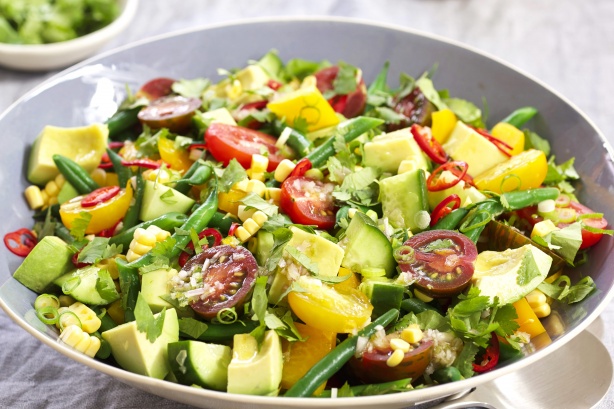
Summer vegetable salad

Good reasons to eat a salad today

Summer vegetable salad

Habits are hard to break and it can be very easy to slip into unhealthy eating habits, but with a small change to your diet you can begin the route to a fitter and healthier way of life. This starts with swapping French fries for a filling, tasty and nutritious salad as a side order to your sandwich, or even having salad as a replacement for a high calorie lunch. Still not convinced? Then take a look at the following five reasons to eat a salad today.


Vitamins

Vitamins are vital to our health and wellbeing, and a plate of salad greens includes vitamins that will help to keep your hair, teeth, skin and bones in top condition. A colourful plate of rocket, lollo rosso and iceberg lettuce with a choice of fish, egg or meat, along with a drizzle of Red Kellys Tasmania’s Lemon Myrtle or Native Berry dressing will keep you looking and feeling good.


Fibre

Leafy vegetables and fresh fruit are a great source of natural fibre. Fibre is needed in our diet to promote healthy colons and bowels. Reduce the risk of certain forms of cancer by serving up a fresh fruit salad with a generous helping of Red Kellys Tasmania’s Raspberry sauce.


Weight control

Filling up on a large, satisfying plate of salad, particularly if it includes healthy grains such as brown rice or pulses, will stop you from snacking on sugary foods during the day. There are a number of salad recipes that you can try out that will help you feel full for longer, and if you want to treat your taste buds to something special, then be adventurous with your salad dressing: Red Kellys Tasmania’s Chilli & Lime or Spiced Italian dressing are delicious and perfect for when you’re looking for maximum impact.


Intake of healthy fats

With the health emphasis on reducing our cholesterol levels, there is a need to cut back on fats in our diet. However we do need an intake of healthy fats, and a flavoursome salad can provide what we require on a daily basis.

Mix a few tablespoons of raw seeds such as sesame, sunflower or pumpkin into a plate of tomato and red onion salsa salad, and you’ll be increasing your levels of “good” fats. Slice up a quarter of an avocado to go on top of your salad and finish with a splash of Red Kellys Tasmania’s Tangy Traditional gluten-free dressing for a truly wholesome meal.


Quick and easy

Sometimes life is too short to stand over the stove, but a salad is quick and simple to make and wonderfully portable for taking along on picnics, to work or just outdoors to enjoy while you sit and enjoy a few tranquil moments!

Top 5 Tasmanian food specialities

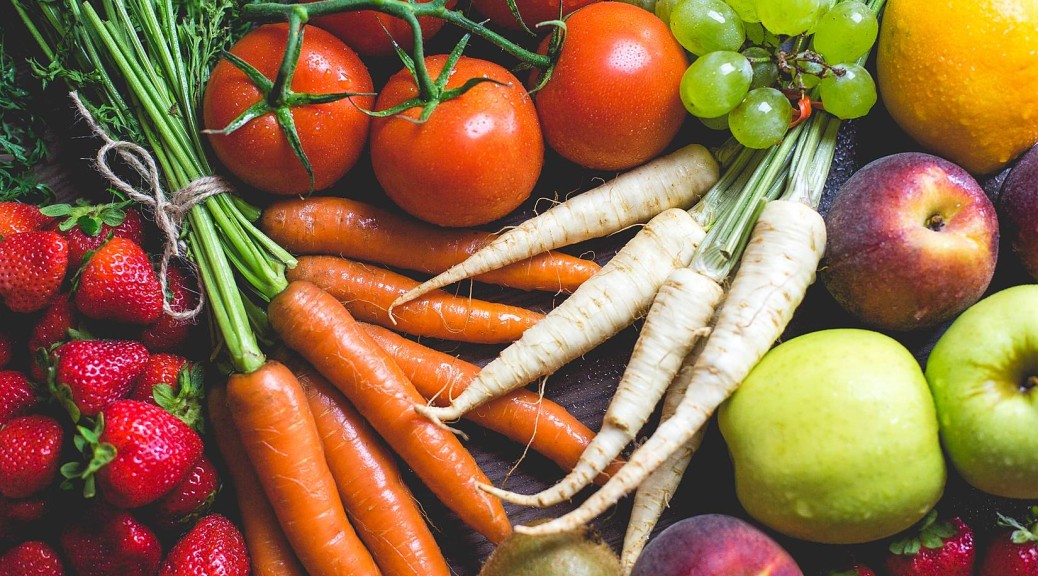
fruit and vegetables

We might have said it before but we’ll say it again: one of the best things about living in Tasmania is having all this amazing, high quality, delicious produce, food and wine practically on our doorstep! If you haven’t been down to Tassie, we cannot recommend it enough. In fact, to entice the foodies among you even further, here are the top five Tasmanian food specialities. Have you tried everything on the list?


1. Wild abalone and lobster

Tasmania is well known for its abundant marine life and great fishing, but did you know that it is also one of the world’s premier suppliers of wild abalone and lobster? The great advantage of having one of the world’s last remaining unspoiled marine environments is the wild abalone and lobster that thrive on Tassie’s coastline – seafood that, by the way, is recognised as some of the best in the world.


2. Leatherwood honey

You may have heard that not all types of honey are the same, and it’s true. Fortunately for us in Tassie, our rainforests over in the western part of the island enjoy plenty of rainfall, which means flourishing Leatherwood trees, which means lots of all-natural Leatherwood honey. Not as overly sweet as some of the other types of honey on the market, Leatherhood honey is thick, creamy and amber-yellow in colour, with a unique flavour and aroma that’s second to none.


3. Black truffles

France isn’t the only country known for truffles. Ever since the first black truffle was discovered in northern Tasmania in 1999, our humble island has emerged as one of the bigger producers of this prized (and expensive) delicacy. Random fact: unlike in France, where pigs are used to detect truffles, Tassie truffle producers actually use spaniels and other dog breeds.


4. Premium fresh fruit and vegetables

Whether you like to buy your fresh fruit and vegetables from the supermarket, the larger farmers’ markets or even fresh from the farm, you’ll hardly find better produce anywhere else in the world. Tasmania’s pristine environment, ideal climate and passionate farmers are some of the key reasons why the state is beloved (and much envied) for their amazing premium fresh fruit and vegetables.


5. Farmed salmon

Last but not least, who hasn’t heard of Tassie farmed Atlantic salmon? With pristine, pollution free waters that are just perfect for breeding top quality salmon, Tasmania’s Atlantic salmon is the salmon of choice for many chefs not just in Tassie, but around Australia and, indeed, the rest of the world. The fact that it’s rich in omega-3 fatty acids, vitamins and minerals means it not only tastes great, it’s good for you too.

Tips on how to host a delightful dinner party

Dinner party

Hosting a dinner party can be fun and just a little daunting at the same time. This should be your moment to shine, when you can showcase your home, not to mention your catering and entertainment skills, plus it’s a great opportunity to get to know your chosen guests on a more personal level. There’s so much to look forward to, but also plenty to prepare and plan beforehand!

Hopefully, these tips will help you to take the stress out of planning a dinner party so that you can enjoy the evening (along with your guests), as well as be the perfect, delightful host.


Prepare ahead of time

Always make sure that you have checked with your guests ahead of time to see if they have any food intolerances or special requirements. There is nothing worse than serving up a beautiful dish that you have slaved over, only to realise that it may contain an ingredient that could cause an allergic reaction, or that contains something that is particularly disliked by a guest or three. On the day, set the dining table well in advance, and do add unscented candles to the settings to create ambience.


Practice

Once you have decided what to serve, try making the meal for your family before you have your guests around. Do this a week or so ahead of the dinner party, partly so that any mistakes you make will be forgiven by family members way before the actual day. A trial run will also allow you to practice the timings of the meal and the different courses, plus give you a chance to hone the necessary culinary skills.


Keep it simple

A dinner party is not the time to try all those new recipes you’ve been eyeing up on Pinterest. Keep things simple by serving up dishes that you have made in the past, and more importantly, that complement each other. You do not want to be the host that is rarely seen because you are constantly in the kitchen.

Serve up appetisers that go well with pre-prepared sauces and dips, like the ones in the Red Kellys Tasmania range, for example. You’ll also want to make the starters and desserts in advance, so choose something that you can prep a day earlier, such as a fresh fruit salad (which you can serve with a raspberry sauce) or homemade ice cream (which you can serve with chocolate sauce).

For salad, Red Kellys Tasmania’s bottles of salad dressing look so good that all you have to do is lay out large bowls of salad with the bottles alongside, and your guests will be more than happy to help themselves.


Get your house in order

The day before the dinner party, don’t forget to tidy up your dining area, living room and lounge, and do check that the washroom is clean and that you have a guest towel, soap and toilet paper ready for your guests.

On the day, if you have family pets such as dogs or cats, remember that not everyone is as keen on animals as you are, so it might be a good idea to make sure that any pet hairs have been vacuumed up, and that your pets are kept out of the dining area when your guests arrive.

Once you’ve made sure that everything is done, and your meal is prepped, cooking or ready to go, light the candles, put on some good music, pour yourself a drink and you’ll be all ready to welcome your guests. Enjoy!

How well do you know the Tasmanian Devil?

Devils in Danger

At Red Kellys Tasmania, we love our Tassie Devils. We’re huge fans of the Devils in Danger Foundation here in Tasmania, and we were thrilled to learn recently that one of the Tassie Devils that we support through the foundation is pregnant!

Mention the Tasmanian Devil, and those of us who are of a certain age might instantly think of those Loony Tunes cartoons of our youth, where the spinning, gibbering “Taz” tries to outwit the likes of Bugs Bunny.

Obviously we’ve since learned that the reality is somewhat different, so for the uninitiated, we thought we’d share a few facts about this very unique animal with you.


Size and features

You might be surprised by the size of these animals the first time you see them, as Tassie Devils only grow up to between 51 and 79 centimetres tall. They are neither large nor do they spin like a whirlwind. Instead they are black, rat-like marsupials with a thick tail and sharp pointed teeth. They weigh between 4 to 12 kilograms and have a distinctive white stripe on their chests.


Habitat and prey

Tassie Devils are exclusive to Tasmania and prefer to live underground in caves, burrows, or inside logs and under rocks. They prefer forests and coastal shrub lands, and are carnivorous. They eat birds, insects, snakes, fish and even dead animal carcasses, and nothing is wasted – bones, muscle, everything is devoured!


Behaviour

Unfortunately, Tassie Devils do have a bit of a temper, and can throw quite the “tantrum”, letting out shrieks of rage that has been described as “unearthly” screams and howls. Perhaps it’s a good thing then that these marsupials are nocturnal, sleeping during the day and coming out only at night to hunt. They’re hardworking creatures too, sometimes travelling up to 16km to find food.


Breeding

Despite being fairly solitary animals, Tassie Devils mate around March each year, and the female takes about 3 weeks to produce up to 50 offspring, each around the size of a grain of rice.

Even at birth these tiny creatures are ferociously competitive, and will race each other to latch onto their mother’s nipple, where she can only suckle up to four babies, or “imps”. There’s a good reason for that: the lucky four who make it will survive while the rest will die from malnourishment.

The imps live in their mother’s pouch until around the age of four months. They are then weaned off their mother’s milk, and she will carry them around on her back until they are about eight or nine months old when they are fully grown. The life span of a Tasmanian Devil is around five to eight years.

While the Tassie Devil is indeed under threat, including from the Devil Facial Tumour Disease, growing awareness and the work of organisations such as the Devils in Danger Foundation is making a huge difference in protecting them and helping them to flourish. That’s good news for Tasmania, Australia and the world at large because they’re pretty unique animals that we’d love to have with us for as long as possible. Go, Tassie Devils!

Tired of the same old salads? Try these unconventional salad ingredients

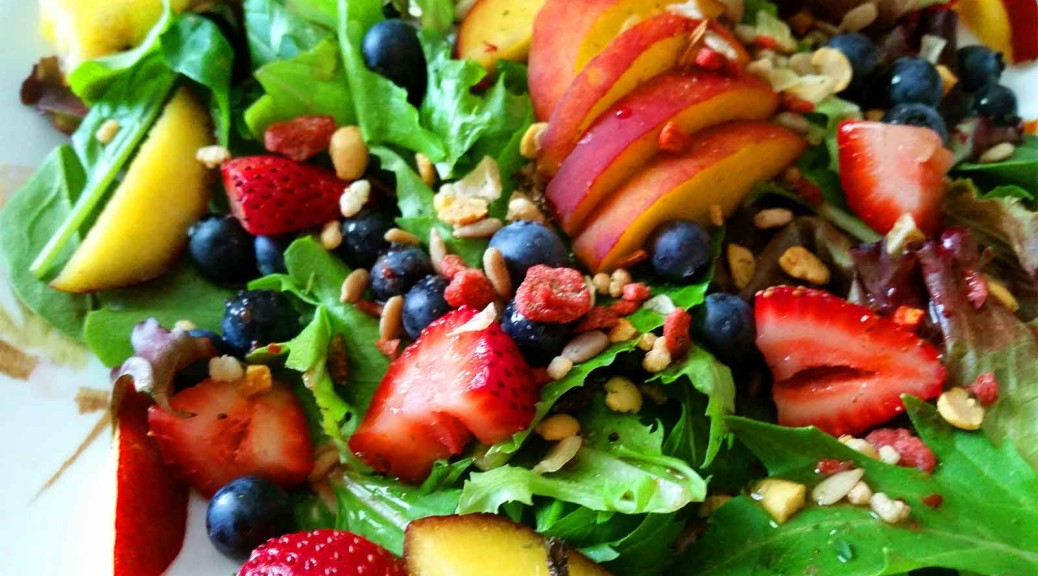
freshenupyoursalad

 
Salads might be very good for you, but let’s be honest, unless you’re willing to get adventurous and mix things up a little, they can also get a bit boring if all you’re eating are the same few vegetables every single time. Changing up that salad dressing and trying new recipes are a great way of expanding your salad horizons, or, if you’re really feeling like something out of the box, why not check out some of these unconventional salad ingredient ideas?


A French twist

Poached eggs might not be the first food item that springs to mind when you think salad ingredients, but you can actually prepare a salad version of Croque Madame using just a handful of ingredients and a drizzle of Red Kellys Tasmania’s Tangy Traditional dressing.

Prepare the base or bread part of the salad with slices of lettuce, Monterey Jack or cheddar cheese, and panzanella (a salad of bread and tomatoes). Then add chopped ham and the dressing whilst you boil a pot of water. Add a drop of vinegar to the boiling water and stir rapidly so that the water is swirling when you crack an egg into it. This causes the white of the egg to fold over the yolk (be warned: it does take practice!) and within minutes, you’ll be able to ladle a teardrop shaped egg on top of your salad. Eh voila! Your delicious and healthy Croque Madame salad adaptation is ready.


A barbeque favourite

Red Kellys Tasmania’s Creamy Caesar or Cajun Ranch dressing goes very well with our next set of unconventional salad ingredients. Use a mixture of shaved fennel and chopped apple to mix with shredded cabbage and carrots, and add spicy candied almonds for a finishing touch to create a slightly sweet coleslaw. Perfect for a beach picnic or a BBQ, this is a crowd pleaser for sure.


Berry unusual

Delicious to eat, beautiful in colour and packed with antioxidants, blueberries make an unusual but tasty vegetable salad ingredient, especially when mixed with shrimp. Get a bag of fresh mixed green salad leaves, a pound or so of cooked shrimp (make sure they are peeled and deveined), slices of feta cheese and several pecan halves. Put the salad on a serving dish and arrange the feta, pecans, shrimps and blueberries on top. Serve with a lemony dressing such as Red Kellys Tasmania’s Lemon Myrtle dressing.


Weed and feed

If you have got dandelions growing in your garden, you could be missing out on an exciting food source. Provided you haven’t treated them with weed killer, dandelions are a great way to up the ante on your salads. Pick the leaves when the plant is still quite young, and mix them with grated butternut squash, half a cup of arugula, some chopped fennel, two tablespoons of pumpkin seeds and the seeds from half a pomegranate. Season with sea salt and cracked black pepper, and drizzle with Red Kellys Tasmania’s Basil & Garlic dressing for the perfect herbal butternut squash and pomegranate salad.


Seaweed surprise

Last but not least, here’s an easy seaweed salad to try. Soak about 30gms of dried seaweed for 5-10 minutes, depending on how crunchy you like it, squeeze until dry, and toss in Red Kellys Tasmania’s Chilli & Lime dressing. Add grated scallions and toasted sesame seeds to garnish.

What does “organic” really mean?

organicfarming

Organic farming and sales of organic produce are on the increase, along with rising consumer demand for this type of food. No longer the preserve of small neighbourhood groceries or the market stallholder, many supermarkets these days have their own organic produce aisle as well. Most people know organic produce to be the healthier option and gladly pay more for products that are labelled organic, but with that being said, do you know what “organic” really means when it comes to the products that you are buying?


Organic farming

In a nutshell, organic farming refers to produce that is cultivated without using genetically modified (GM) organisms, and without the use of artificial fertilisers, synthetic chemicals, irradiation treatments or pesticides. Generally, organic farmers also apply holistic farm management methods that are as natural as possible, including only having free range animals as part of their organic practices. However, it’s important to note that all this is not enough to have their produce labelled for sale as organic.


Certification

In order to ensure the quality and origins of organic produce that is sold to consumers, the growers have to go through a quality assurance process themselves. Certification bodies in Australia and abroad have been set up so that retailers, consumers and the wholesale industry can be assured that the produce that they are buying really is organic from growth, right through to the methods of harvesting, cleaning, packing and transportation. If there were even the slightest possibility that synthetic chemicals were used to clean the produce, for example, or even used for fumigation during the storage process, this would nullify the product’s organic label.


From farm to fork

Due to the process that growers have to go through, it can take up to three years for them to get their organic certification. This is because the first year’s growth may take place on soil that has still got traces of non-organic fertiliser and pesticides due to previous farming approaches. This first year is known as the “pre-certification” phase, so any produce sold in that year on the conventional marketplace is not able to attract any premiums. Only in the second year, when a grower has attained “in conversion” status, can they sell produce with a smaller premium, and this will increase in the third year when the grower has been deemed to have fully converted to organic farming.


Ongoing monitoring

For those growers who have finally obtained an organic certification, it doesn’t end there. As part of ongoing monitoring processes, they are also subject to checks by whichever certifying organisation they are affiliated with, along with the usual checking from food standards agencies and environmental health bodies.

So the next time you see a product labelled “organic” in a local fruit and vegetable store or supermarket aisle, know that there are strict regulations in place to ensure healthy and natural, pesticide- and chemical-free produce. And, for a salad dressing that will enhance the flavours of your ingredients, don’t forget to check out our Red Kellys Tasmania salad dressing range!

Entertaining this weekend? Try these unusual salad recipes

unusual salad recipes

Some people are born to host dinner parties – they love to entertain and they’re fantastic at every aspect of having guests over, from décor and menu planning to making sure the right people sit next to each other. But for the rest of you who perhaps aren’t quite as adept at playing host, coming up with the perfect menu for guests can be a rather daunting task. Rather than sticking with the usual salad options for your next dinner party, however, consider spicing things up a little bit and trying one of these unusual salad recipes for a unique touch.

Clementine and Brussel Sprout Salad

Love them or hate them, the humble Brussel Sprout is a rich source of iron and Vitamin C, and makes a surprisingly tasty warm salad. Trim and remove the tougher outer leaves of the sprout, then separate each leaf until you get to the heart. Thinly slice the heart and put to one side. Then, thinly slice ½ red onion, and peel and dice a carrot into diagonal strips.

Heat 1 tablespoon of olive oil and cook the carrot and onion for 3 minutes on high heat, add the sliced sprouts and tender leaves, and cook for a further few minutes until slightly charred and wilted but with a good colour. Transfer to a bowl and drizzle on some Red Kellys Chili Lime Dressing, stirring the dressing into the mixture. Then add slices of 2 peeled and segmented clementine oranges and freshly chopped coriander leaves, and serve immediately.

Cajun Bloody Mary Tomato Salad

A glass of Bloody Mary has long been hailed as the best tonic if you are suffering from a hangover, but why not forgo the drink and try this salad instead? Slice up 10-12 vine ripe tomatoes and half the amount of small yellow or orange cherry tomatoes. Finely dice 2 sticks of celery, thinly slice 1 red onion, cut several black olives in half and chop up a handful of fresh basil. Combine everything with the tomatoes.

In a small bowl mix up a tablespoon of prepared horseradish, the juice of a lime and a teaspoon of Cajun spices. Pour over the tomato mixture and gently stir. Leave to chill for 1-2 hours and separate into tall serving glasses decorated with a stick of celery. Serve with a side of raw vegetable croutons and Red Kellys Cajun Ranch Dressing.

Carrot and Raisin Salad With a Difference

Peel and shred 4 carrots using a food processor, then remove and drain off any excess liquid. Place the carrots in a mixing bowl and add ¼ cup of raisins, ¼ cup of diced pineapple, 1 tablespoon of diced dried mango and 2 tablespoons of diced dried papaya. Stir the mixture and chill for one hour or until ready to serve on a bed of crispy lettuce leaves with Red Kellys Lemon Myrtle Dressing or Red Kellys Basil and Garlic Dressing.

Fresh Fruit and Marshmallow Salad

Who says you can’t serve a salad for dessert? For the perfect ending to any meal (and a fun twist on the conventional vegetable salad), brighten up a standard fruit platter by sprinkling mini pink and white marshmallows on top and adding a drizzle of Red Kellys Fruity Raspberry Sauce. Yum!