Canola Oil Truths


The truth about Canola Oil

11/09/17 – At Red Kellys Tasmania we happily use Canola oil as one of our ingredients. But why? Why not Olive oil? Or Cottonseed oil or Bran oil or Sunflower oil, etc?

We use Canola because it is the best for the function we require it for in the dressings. It’s also a relatively healthy oil and it’s a safe product commercially available and traceable. Other vegetable and seed oils have the wrong flavour profiles for us and / or the wrong chemistry (Like olive oil that solidifies at lower room temperatures and has an overpowering flavour when using a decent amount and decent quality).

SO…. What exactly is Canola, where does this oil come from, why are there people who say it’s no good, is it genetically modified, am I going to live to the end of next week if I’ve eaten some!!??

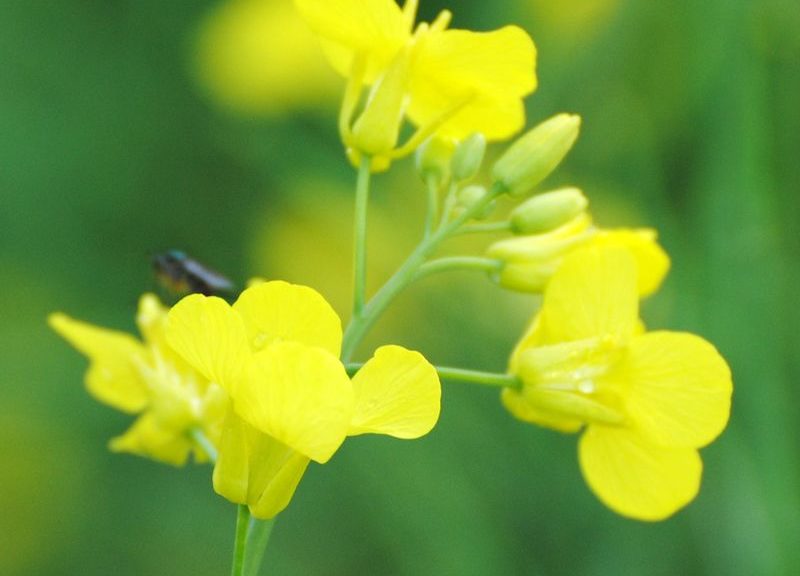
Rapeseed: The Rapeseed plant takes its name from the Latin word rapum meaning Turnip. These oilseed varieties have been cultivated for thousands of years as mainly as fuels. Demand increased significantly during WW 2 as the oil was found to work very well in steam engines and this is when Canada increased their production significantly.

Canola is born: After the war demand for Rapeseed oil decreased. It was trailed in foods but had unpleasant flavour and colour qualities. Rapeseed oil also contains large amount of Erucic acid which was linked to detrimental effects on animals in very high amounts. In the early 1970’s Canada cross bred various strains of Rapeseed and produced a plant that produced an oil suitable for human consumption and far lower in Erucic acid. They named it Canola with “Can” being from Canada and “Ola” from other vegetables like Mazola.

Is Canola Healthy?  Canola oil is cholesterol free and contains monounsaturated fatty acids, similar to olive oil, and omega-3 polyunsaturated fatty acids called alpha linolenic acid, just like the fats found in flaxseed oil. Eating a diet rich in monounsaturated and omega-3 fatty acids may help reduce your risk for cardiovascular diseases and will help to reduce inflammation. Omega-3 fatty acids are also important for healthy nervous system function and for normal deoxyribonucleic acid (DNA) found in the cells of your body.

Canola oil also has less of the omega-6 fatty acids that are found in most vegetable oils such as sunflower, safflower, and corn oil. While we need some omega-6 fatty acids, the typical western diet has much more than we need. Many experts believe that the combination of too little omega-3 fatty acids and too much omega-6 fatty acid intake contributes to pro-inflammatory conditions for the body, which can lead to increased risks of cardiovascular disease and other chronic health problems. This may be true, but we don’t know exactly what the best ratio between omega-6 fatty acid intake and omega-3 fatty acid intake should be. Experts currently suggest that that ratio should probably be around 4:1 (Omega-6 to Omega-3). A typical western diet has a ratio of something around 16:1.

Remember, all oils are a large source of calories so moderation and balance are recommended.

What Canola Oil Does Red Kellys Use? Most Canola oil is produced with heating and Hexane solvent extraction. However, at Red Kellys we only purchase cold pressed Canola oil crushed in Australia from Australian non-GMO seed. Our oil is tested and shows it’s Erucic acid proportion to be about 1000 times lower than the minimum recommended for human consumption.

Conclusion: So, there you have it; Canola oil is a healthy oil, a safe oil and is best consumed in Red Kellys dressings where it becomes delicious and well proportioned!



Why are we called Red Kellys Tasmania?? PART 2

25/08/17  – SO… Part 1 has introduced the name and concept of Red Kellys and an interesting insight into the start of the more well-known “Ned” Kellys life. But how did our dressing company come to adopt this name…. To answer this, we must introduce another family from the current era and see where paths crossed (or didn’t)!

In the early 1990’s in Bowen, QLD, Mike Kelly was in a partnership of the local Toyota franchise. He lived with his wife Julie, and 3 children, the eldest boy being a chef. During a holiday to Europe Mike and Julie were dining at a fine restaurant in France. Julie, a keen foody, began chatting to the staff and one thing led to another before the head chef invited her to come and view the kitchen the following evening. During this tour, he showed her many things one of those being the basic concept of a “Sauce” Julie had enjoyed the night before.

In the mid 90’s Mike got out of the Bowen franchise and the family moved to Tasmania. Mike accepted a position at another Toyota franchise in Launceston (Northern Tasmania) and the family bought a small restaurant called “Andys” in nearby Westbury (see where this is going)… Sadly Mike had quite a large heart attack and was lucky to survive. However, the stress of his job was a contributing factor and Mike resigned from Toyota.

After speaking to locals in Westbury Mike discovered that their restaurant was situated opposite what was once an old pub called Fitzpatrick’s Inn! He then heard of the tales of John “Red” Kelly and this being a favourite watering hole of his. At first Mike wondered if, sharing a surname, he was a descendent of Red’s. Records tell us that Red’s male children never made it as far as having children but you never know…. The modern Kelly’s then decided to rename their restaurant “Red Kellys of Westbury”.

Meanwhile in the kitchen Julie Kelly and her eldest son were busy making everything from scratch for a better meal. Julie made sure to utilise her brief French training and with a few adjustments re-created the sauce she had been taught. The bright yellow, sweet mustard style sauce was constantly given praise by customers and was the perfect condiment for many dishes and side salads.

Now out of work Mike was looking for something more to do and when customers started asking to buy this magical sauce in whatever vessel was available Mike knew they were onto something special. He bottled 200 glass bottles with the product which he called “Red Kellys Traditional Dressing” and went to the Evandale Sunday market. With the help of a few tastings he sold out in 45mins. And thus, Red Kellys Tasmania was born!

Red Kellys Tasmania is now owned by two Hobart families who still catch up with Mike and Julie from time to time.

Why are we called Red Kellys Tasmania?? Part 1

17/08/17 – We’ve found over the years our business has been called many things; Ned Kelly Sauces, Ned Reds, Red Dressing, Kellys dressings and so on (as well its proper name).
But just where did the name come from? And who or what was or is Red Kelly? And does it have anything to do with the infamous bushranger Ned Kelly? Well, here are the answers and more and it all starts in Ireland at the start of the 18th century….

On February 20th, 1820 in Tipperary, Ireland, John Kelly was born to parents Thomas Kelly (19 years old at the time) and wife Mary Cody. The young couple went on to give John 4 brothers and 2 sisters in the Kelly homestead in Clonbrogan.

At the ripe old age of 20 John was convicted of stealing 2 pigs. It was not his first brush with the law and this time John was off to jail for more than a few weeks or months. And so, 18 months later, John Kelly was bundled aboard the “Prince Regent” in Dublin and spent the next 6 months sailing to the other side of the world. On January 2nd, 1842, John Kelly alighted on the banks of the Derwent River in Van Diemens Land (Now Tasmania) as a convict. He now sported a thick crop of hair and large beard that were described by journalists of the day as being a “Fierce Red” colour; and thus, his name “Red” Kelly was coined.

Red Kelly served as a labouring convict in Tasmania and towards the end of his sentence found himself on the road gang constructing the new road from Evandale to Longford in Northern Tasmania. In July 1845, he was granted his certificate of leave and over the next few years Red spent some time around the village of Westbury a little further north west of Longford. It was here that he was seen on more than one occasion drinking ale at Fitzpatrick’s Inn with Martin Cash. Other than a minor fine for drunk and disorderly, Red kept a clean record until he was granted his certificate of freedom at the start of 1848.

At some stage over the next 12 to 18 months Red crossed Bass Strait and found work as a carpenter with other Irish settlers around Donnybrook and Kilmore. In November 1850 Red, married Ellen Quinn and they had 5 daughters and 3 sons; the eldest being the now infamous Edward “Ned” Kelly. In 1866 Red was charged with stealing a calf from his neighbor and later charged with “Unlawful possession of a hide”. Red spent 6 months in jail where he was reportedly treated poorly and developed an illness. In December of 1866 John “Red” Kelly died…. And his eldest son “Ned Kelly” blamed the police and developed a dislike for them…. But that is another story!

Stay tuned for part 2 next week!

Game of Thrones and Red Kellys Dressings

02/08/17 – Matching Our Dressings to GOT Characters – 

With the recent release of Game of Thrones season 7 we thought we’d have a bit of fun matching our dressings to some of the main characters. It’s not quite Wine + Cheese but a little light-hearted fun makes the world go round. Some of our team are obsessed GOT fans while others aren’t so fussed. However, Just like many of the characters in the popular HBO series they all like a little on the side! (A little Red Kellys on the side of their meals and salads that is)!


Tangy Traditional Dressing + Winterfell

Just like our original and best-selling dressing Winterfell originates from a cooler climate, is natural and fresh and is still going strong. Our Traditional dressing has had a few name adjustments several of which have fallen along the way, much like several of Winterfell’s main characters have fallen. It’s smooth (like Rob Stark), sweet (like Sansa Stark), Tangy (Like Catylin Stark towards Jon Snow) and addictive (like watching Arya wipe out bad guys). An honest dressing full of goodness (like Ned Stark) that’s so good you’re likely to lose your head over it!


Sweet Chilli and Lime Dressing + Daenerys Targaryen

A dash of heat, a balanced Tang, plenty of goodness, some mouth-watering “Dishes best served cold” and beautiful. This isn’t a bad account of our nationally available bright red dressing and it certainly covers everyone’s favourite dragon wielding young lady! We have a dash of fresh chilli, she has a dash of dragon fire, we have tangy Lime to balance, she has worldly advisors, we’ve expanded from Tasmania across a narrow sea (Bass strait) and conquered shelf space in major supermarkets, she’s conquered kingdoms and has now crossed the narrow sea!


Basil and Garlic Dressing + Jamie Lannister

Basil and Garlic go together like brother and sister and, well, you get it. Just like our Dressing, Jamie is smooth, winning (well he’s still got 75% of his arms anyway) and has plenty of goodness within (easier to find in our dressing admittedly)! While our Basil Garlic hasn’t stabbed anyone in the back it is a force to be reckoned with and holds its own on the shelf. Fantastic with Pasta salads and Italian style dishes (Isn’t Tarth part of Italy??).


Lemon Myrtle Dressing + Gilly the Wildling

Well they’re both natural and sourced from the wildness, native and raw and they can be handy to get the kids to eat their greens! And our Lemon Myrtle dressing is lovely with a nice plump bit of chicken, fish or other white meat. Lemon Myrtle dressing in nice and wholesome and goes well with some quite sophisticated cooking Just as Gilly is a good match with her sophisticated (and a little plump) Samwell. However, unlike Gilly, I’m sure Red Kellys Lemon Myrtle dressing won’t be rejected from the family dinner table!


Creamy Caesar Dressing + Yara Greyjoy

Our Caesar dressing is wholesome, full of all the good things, a rightful leader on shelf, smooth and creamy and only a little bit thick and has just the right amount of salt (Anchovy) while having far less than many of our competitors. Sounds a bit like Yara; Nice girl, natural leader, a little think and a bit of salt. Unfortunately for Yara, she looks like she’s about to be “Delisted” which certainly isn’t the case for our Creamy Caesar dressing, we’ll be keeping that one in our show! Let’s hope Theon suddenly grows…. Well let’s hope he has the courage to try and save her!


Some of our competition + Ramsay Bolton

Just like Ramsay we’ve found some other dressings over the years, that, while they appear nice on the label are actually not too pleasant inside the bottle. And in time they were thankfully eliminated (perhaps not by a pack of savage dogs though).

Plight of the Tasmanian Devil

RED KELLYS TASMANIA BLOG

04/07/17 – Plight of the Tasmanian Devil

Tasmanian Devils are actually a marsupial from the family of Dasyurids. After the Thylacine was declared extinct in 1936 Devils were named as the biggest carnivorous marsupial in the world. And, following the introduction of the Looney Tunes character, “Tas Devil”, they gained worldwide attention and intrigue.

If, however, we were around 3000 years or so ago, we would only have been able to call them “Australian Devils” as they were still present on the Australian mainland.

Devils were once very common and thrived in Tasmania. Unfortunately, man started their decline by wrongly accusing them of predating on poultry and sheep around 100 years ago. In the 1930’s a bounty was put on their head and many were trapped, shot and poisoned. Thankfully, after witnessing the extinction of the Thylacine, Devils became protected in 1941. Sadly, their numbers had reduced to such a low level that remaining animals left the population with low genetic diversity.

In recent years the devils have once again become threatened. This time in the form of a rare cancer that produces facial tumours and is spread easily from Devil to Devil. This disease has decimated devil populations and affected most of Tasmania. Thankfully numbers are again starting to grow due to the hard work of many in both Tasmania and Mainland Australia.

SO…. What is being done to save arguably Tasmania’s most iconic species? There are many programs underway with isolated populations of healthy devils being reared in many locations all around Australia. There are many charities and government groups working on saving the species and Red Kellys Tasmania has been working closely with the “Devils In Danger Foundation (DIDF)”. Red Kellys have “Adopted” 2 devils at nearby ZooDoo where DIDF have successfully bred plenty of Devils for research and release back into the wild. In fact, Red Kellys devils, (Aptly named “Red” and “Kelly) have been part of the program and have successfully had several young and are about to become grandparents at the ripe old age of 6. Red Kellys Tasmania is a major supporter of DIDF and donate a percentage of profits from all their dressings sold to help save these wonderful (although rather noisy) critters.

Elyshia from Devils in Danger Foundation with Leo from Red Kellys Tasmania.

DIDF have built numerous breeding enclosures at ZooDoo, provided healthy devils for other programs around Tasmania as well as providing grants to researchers investigating the facial tumour disease and searching for a cure. They also work to raise awareness of the problem. The scientists involved are currently working on perfecting a vaccine and wild devils are also showing signs of resistance and recovery in places.

New Quarantine pen housing ‘Red’

More information see the Devils in Danger website

http://devilsindangerfoundation.org.au/

Where to go to the snow in Hobart

28/06/17 – Where to go to the snow in Hobart

With the arrival of Winter (and sometimes every other season) in Tasmania comes the arrival of snow.

When cold air pumps up to Tasmania from the great Southern Ocean and beyond and there’s some precipitation to go with it we will often get a good dump of the white stuff in various parts of the state. As a general rule if the wind is from the south to west quadrant and the seal level temperature daily maximum forecast is 15 degrees or below there will be some snowfall somewhere in Tasmania. Although this is often only on the highest peaks in remote wilderness and not going to be easily accessible for many people.

It’s when the daytime maximum temperature drops to the likes of 10 or 11 or even single digits that there’s likely to be a lot of snow and more importantly, easily (enough) accessible snow.

Locals and tourists alike generally have quite a fascination with this form of frozen water, especially the younger generations! So… If you’re in Hobart where are the best places to go for a romp around in frozen, fluffy water?

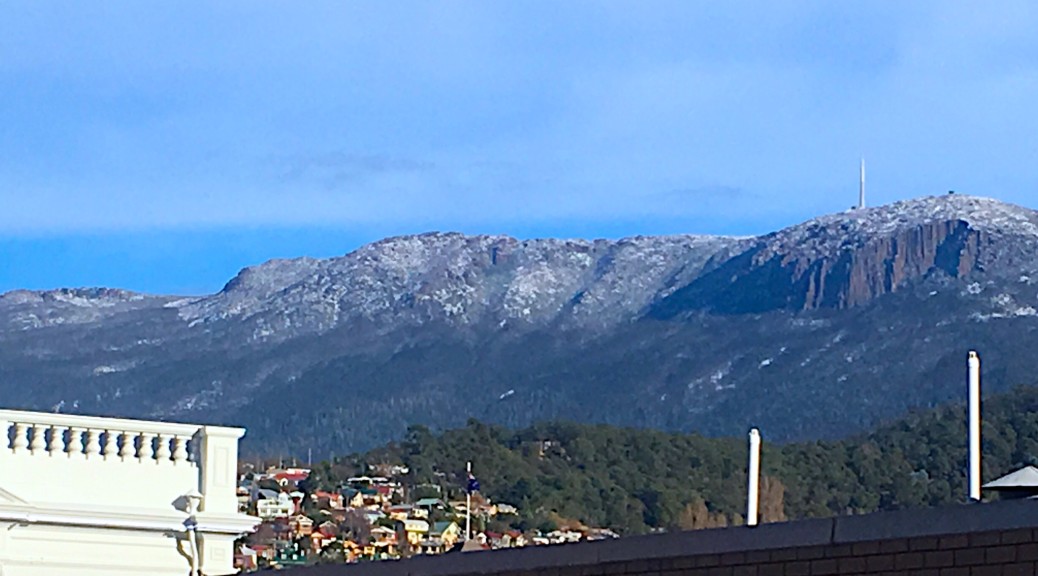
There are many options but the deciding factor is going to be how low down the snowfall is and what access roads are open. The most obvious place to go is up Mount Wellington (Kunanyi) as it towers 1271m over Hobart and regularly shows off a white glistening head dress. Sometimes this is just a dusting as though it were a giant muffin with a sprinkle of icing sugar and occasionally it has enough snow for people to ski down the main face (if you feel like walking up and braving what is definitely a black diamond run)!

When there is a lot of snow on Mt Wellington the road will be closed by Council. Often this is about halfway up at “The Springs”. However, when there has been a decent snow dump The Springs can be a great place to go for a play. There is quite a lot of parking, it is the start to many trails that lead both up and down the mountain or you can walk up the road in the snow or until you reach it. Many moons ago in near blizzard conditions one afternoon the author once parked here with a friend and kitted out in gumboots, raincoats and warm clothes, scaled the main face to the summit and back down via road; about a 5 hour round trip in heavy snow.

A day or two after a good snow event council will generally have the road cleared and open to the summit once again and snow will often stay at the summit for several weeks during winter usually with many top ups in between.

Other Options – It is not uncommon to have several “Low Level” snow events each winter (and often early spring) where snow will settle to 300m or occasionally below. On the 08/08/2015 Hobart experienced its lowest and biggest snow event for 30 years when snow settled to sea level and suburbs like Mt Nelson, West Hobart, Kingston and more got a cover suitable for tobogganing! However, this event was dwarfed by the 1986 fall where the Hobart CBD was well covered and people skied across the Tasman bridge.

To take advantage of these “Low Snow” events there are several options. Often it means getting in while the snow is falling or soon afterwards as it can melt as fast as it can settle. Mt Wellington is often totally closed during this event too and may not be an option until the road is cleared.

  • Fern Tree – The small town at the base of Mt Wellington will get a good covering, has plenty of parking and is easy to access via Huon Road from South Hobart
  • Snug Tiers via Margate – Head south of Hobart and turn at Van Morey Road. Note, this road rapidly becomes 4WD only and is quite narrow. If you get up here during a snow event there is limited parking (but usually limited people too). It’s a bush setting and is quite beautiful with a good cover. A great spot for a snowball fight or to build a snowman with the kids.
  • Glenlusk / Collinsvale – Access is via Glenlusk Road, Rosetta in Hobarts Northern suburbs. In a good low snow event you don’t need to go far before finding small opportunities for tobogganing and snow play. Or, if you have more time continue on through Collinsvale, head up Collins Cap road and start (or finish if you have time and the fitness) the walk up Collins Cap. This forest setting is particularly beautiful in the snow.
  • Further afield – If you have the time, right vehicle and inclination then why not make a day of it and head to the Mt Field national park 1 hour North west of Hobart via New Norfolk. The Mountain at the top even has a few rope tows that occasionally operate. Or take a drive to the Central Highlands up the Lyell Highway. Two hours from Hobart is Tarraleah (home of Australia’s most elevated golf course) which regularly sees snow or continue further still to higher and snowier ground.
  • Other parts of Tasmania – Of course there are several other parts of Tasmania that see their fair share of snowfalls. Most notably is the West Coast region around Queenstown, Zeehan and Roseberry. The craggy mountain peaks around these towns are truly spectacular at the best of times and even more so when covered with snow. Right through the Central Highlands towards the back of the North West, A few mountains towards the North especially Ben Lomond (home of Tasmania’s main ski field with 8 rope tows) and of course the Far South and South West also see plenty of snow.

And for the record, Tasmania’s highest peak is Mt Ossa at the top of the Central Highlands in the Cradle Mountain – Lake St Clair National Park. It stands at 1617m above sea level and can see snow any day of the year in the right conditions.

And don’t forget, a big bowl of salad smothered with your favourite Red Kelly’s dressing is just as healthy in Winter as Summer!


Not a kale fan? Here’s why you need to jump on the kale bandwagon – for your own good

Kale

Unless you have been living under a rock for the past 12 months – and we assume you haven’t – then you would have heard of kale, the super vegetable that has been, and still is, all the rage among the health conscious. To be completely honest, we thought that kale, like any other health trend, would enjoy a couple of months in the spotlight, be the “it” superfood for a while, and then quietly fade into the background.

We were wrong. Kale, it seems, is here to stay, and as firm advocates of salads and healthy eating, we simply had to explore this further: why is kale so popular and what exactly are its benefits? Here are the answers.

What is kale?

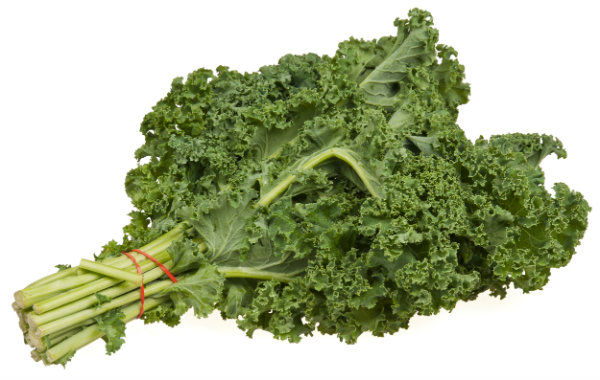
Kale is a member of the brassica vegetable family, which includes Brussels Sprouts and cabbages. Unlike the cauliflower, the central green or purple leaves of kale don’t form a head, and it can be steamed, boiled or stir fried and served up to complement a number of dishes. Until recently, it was somewhat of a forgotten vegetable when it came to the dinner table; however, recent research findings are now hailing it as a bona fide “superfood”.

What does the term “superfood” actually mean?

There isn’t actually a legal definition of “superfood”, nor a medical one for that matter, but for marketing purposes, superfoods have been described as “nutrient-rich foods considered to be especially beneficial for health and wellbeing”.

Superfoods contain large amounts of vitamins and minerals, but also antioxidants and polyphenols which, when consumed, could reduce the risk of a number of chronic illnesses and help prolong life. What is evident is that people who do eat more superfoods in their diet are less obese and a lot healthier than people who don’t consume them.

What makes kale so special?

There are several reasons as to why kale now takes its place amongst the list of superfoods, not least being its ability to help lower one’s cholesterol levels. When steamed, the fibre related components in this vegetable bind together with the bile acids found in the human digestive tract. Once they are bonded, it becomes easier for the body to excrete the bile acid, thus lowering the individual’s cholesterol levels. Kale also contains glucosinolates and the isothiocyanates (ITCs) made from glucosinolates, and helps the body to detox on a genetic level on a regular basis.

Kale has been linked to providing some protection from other chronic illnesses as well as from oxidative stress. Oxidative stress (OS) occurs when the human body doesn’t have enough antioxidants that are needed to reduce the effect of free radicals. Unstable molecules, or free radicals, are particles that react with other substances found in the human body to create abnormal cells or to damage healthy cells. Oxidative stress is now thought to be involved in a number of illnesses and diseases, from Parkinson’s, Alzheimer’s, heart failure, chronic fatigue syndrome, strokes, autism and others.

Relatively new research, which is still being undertaken, also shows how the phytonutrients present in kale cause the liver to produce enzymes that are used by the body to neutralise potential cancer-causing elements. This makes kale a food that is now considered to have cancer risk lowering benefits, the list of which has been extended to include prostate, ovarian, breast, colon and bladder cancer.

At present, scientists researching the benefits and structure of kale have been able to identify over 45 different flavonoids in it. Most flavonoids carry out the function of antioxidants but they do have other properties, one of which being boosting the property of Vitamin C. Another function of flavonoids is helping to regulate inflammation in the body. Its prevention of excessive inflammation gives kale a leading dietary role in helping to avoid this painful condition, which is yet another reason to get down to the supermarket and pick up this amazing superfood.

What can I make with kale?

Spaghetti Bolognese is a dinner table favourite for many households, and no wonder. It’s easy to prepare, tasty and appeals to both adults and kids alike. So here’s our suggestion: the next time you make this classic, boost its nutritional benefits by adding kale to your recipe.

Spaghetti Bolognese with Kale

Ingredients

1 onion, chopped (150g)

400g minced beef

1 tsp dried mixed herbs

1 tbsp tomato puree (30g)

400g can chopped tomatoes

400ml beef stock

250g kale

300g spaghetti

Method

  1. Fry the onion, mince and herbs for 5 minutes to brown. Add the tomato puree, chopped tomatoes and stock. Bring to the boil, cover and simmer for 10 minutes.
  2. Add the kale and cook for a further 5 minutes. Season.
  3. Meanwhile, cook the spaghetti in boiling water for 10 minutes until tender, drain and serve with the Bolognese sauce. Makes 4 servings.

(Recipe by discoverkale.co.uk.)

Alternatively, you can try this Easy Kale Salad recipe from our website. As the saying goes, don’t knock it till you’ve tried it. Happy kale-ing!

How many kinds of vegetarians are there? Your guide to a meat free diet, in case you were considering one

Roasted-pumpkin-&-feta-salad-1

Lots of people are turning to a meat free diet for a number of reasons, including personal choice, health purposes and the cost factor. But as you would have figured out by now, not all meat free diets are alike. Are you vegetarian or are you vegan? What do those terms even mean?

Veganism at a glance

People who refrain from the practice of eating any form of animal produce, including shellfish and fish, are known as vegans. A vegan diet does not allow the consumption of animal flesh or any products derived from animals. Therefore, dairy foodstuffs such as cream, milk and cheese are not part of a vegan diet, and neither are eggs from hens, caviar or fish roe.

Many vegans will also avoid wearing products that have been made from animals, such as leather, wool, down or silk, as well as not using items that have been tested on animals.

The different types of vegetarians

Vegetarians, on the other hand, will not eat poultry, fish or meat, but they will drink milk, eat yoghurt, cheese and other dairy derived foods, and also eat eggs. There are different types of vegetarians, and they are divided into the following categories:

  • Ovo-vegetarians
  • Lacto-vegetarians
  • Lacto-ovo vegetarians

To put it simply, ovo-vegetarians will eat eggs but not dairy; lacto-vegetarians will eat dairy but not eggs; and lacto-ovo vegetarians will eat both eggs and dairy.

Choosing a vegan diet

Meat, poultry and fish, as well as dairy, provide us with a number of essential nutrients for a healthy and well balanced diet, so vegans need to get these nutrients from other sources. Like a healthy vegetarian diet, the vegan diet contains a lot of vegetables and fruit, starchy foods and alternative sources of protein, iron and calcium.

Because dairy products are a good source of calcium, and calcium is needed for building and maintaining strong, healthy teeth and bones, those on a vegan diet have to compensate and find other sources of calcium. Pulses, sesame seeds and tahini contain calcium, as does a range of dried fruits such as figs, raisins, dried apricots and prunes. On the market today and readily available is a wide range of fortified soya, oat or rice drinks, as well as tofu, which is a vegetable derivative that is then calcium set.

In order for the human body to absorb calcium, it needs Vitamin D, which we produce in the body through absorbing sunlight, as well as obtain from oily fish, meat and eggs. Those on the vegan diet, however, are able to access a range of fortified, vegan-friendly fat spreads such as olive oil, soya drinks with added Vitamin D, or vitamin enriched breakfast cereals.

Protein is provided through the consumption of beans and pulses, as well as a range of whole wheat grains (such as quinoa), dark green vegetables and nut butter, just to mention a few vegan-friendly food staples.

Vegan sprouted grain bread and tempeh are also good sources of protein, and there are a number of what is called “myco-proteins” (such as soya) available, and the trademarked “Quorn”, which can be used in a variety of vegan dishes.

Omegas or essential fats largely found in fish such as salmon or sardines can also be found in flaxseeds such as hemp, linseed and rapeseed, as well as in walnuts, so that, once again, the vegan diet is able to provide these essential nutrients, thus allowing vegans to maintain a healthy lifestyle while respecting their personal beliefs.

Salad dressings for all

Regardless of whether you’re vegan, vegetarian or neither, Red Kellys Tasmania is proud to be able to provide you with high quality, Aussie made, and most importantly, delicious salad dressings. Our most popular vegan friendly varieties include our Basil & Garlic, Chilli & Lime and Tangy Traditional, plus all of our salad dressings are also gluten free! Look out for us in the major supermarkets and selected independents.

If you’re not already a quinoa fan, here’s why you’re missing out big time

Quinoa-vegie-pilaf

High up in the Andes, the quinoa (pronounced keen-whah) harvest will begin in late March, as it has done for many years. Back in 1955, researcher Philip White wrote an article, which, at the time, very few people read, but he hailed quinoa as a superfood 50 years before the marketing gurus even coined the term “superfood”.

White wrote, “While no single food can supply all the essential life sustaining nutrients, quinoa comes as close as any other in the plant or animal kingdom.” So why has it taken so long for us to cotton on to this amazing food source, and why is it so popular now? Before looking at some of the properties of quinoa, it would help to know exactly what it is, and what forms it can come in.

What is quinoa?

Although it looks like small grains of cereal, quinoa is what is known as a “pseudo-cereal”, which refers to foods cooked and eaten like grains and that have similar nutrients. There are around 120 known varieties of quinoa, but the ones that are most commercially available and most frequently cultivated are red, black and white (sometimes called ivory or yellow) quinoa.

Quinoa flour and quinoa flakes are now becoming much more available, and can often be found in health food stores. As it grows in popularity, more and more quinoa products can be found on the shelves of wholefood stores, as well as supermarkets, and this can range from quinoa pasta and breakfast cereals to even beverages.

What are the benefits of quinoa?

There has been an increasing amount of research into the health benefits of quinoa and the composition of this important plant food. It has been found that quinoa contains all nine essential amino acids needed to support the growth and development of the human body, and therefore is known as a complete protein.

It also can be helpful in reducing the risk of diabetes, and it helps to make you feel fuller for longer, staving off hunger pangs that have you reaching for snacks and sugary foods. It is so packed with nutrients that it has been termed by the marketing world as one of the superfoods recommended for a healthy diet.

Why is it so popular?

More people are turning to a vegetarian or vegan diet than ever before, and being a complete protein, quinoa is an excellent and versatile alternative to meat. Due to its versatility, it can also be made into a range of products that can act as a healthy and nutritious substitute for everyday staple foods. One of these alternatives is quinoa flour and pasta, which, for those individuals on a gluten free diet, has proved to be a winner.

Gluten is usually found in wheat and other grains such as rye and barley. Gluten is the substance that helps dough rise, and that gives the end product a chewy taste as well as its elasticity. For those people who have an allergy to wheat or who suffer from celiac disease, a disorder of the small intestine, gluten could cause some health problems. Being able to use quinoa products such as pasta or flour allows celiac sufferers, as well as those people who make a choice not to eat animal products, to enjoy an everyday selection of food dishes, so it is no wonder that its popularity is ever increasing with today’s modern families.

Our favourite quinoa recipes

At Red Kellys Tasmania, we’re big fans of quinoa. We love how it goes so beautifully with different types of salads, and the way it easily elevates a simple dish into a satisfying and nutritious standalone meal. Here are our top 3 favourite quinoa recipes:

  1. Quick and simple: Quinoa salad with feta
  2. Nutty delight: Quinoa salad with avocado and pine nuts
  3. Bursting with flavour: Quinoa and veggie pilaf

For more quinoa salad recipes, click here.

We love Tasmania! 5 Facts that make Tassie (even more) awesome

King's Holly

Anyone who’s ever been to Tasmania knows how awesome our beloved island is, but sometimes we just want to remind ourselves (and you!) of why it’s such a fabulous place to live, work and raise a family.

We already know that we have some of the most stunning scenery, cleanest air and highest quality produce, food and drink in the world, but that’s only the tip of the proverbial iceberg. We also have an abundance of history, both natural and chronicled human history, including these five random and totally awesome facts:


1. The first published word (and notepad)

Henry Savery, who originated from Somerset, England, actually published what was Australia’s first novel in Hobart, although at the time this was published anonymously.

He was living in Tasmania and writing for The Tasmanian newspaper when he wrote Quintus Servinton – A Tale Founded Upon Incidents of Real Occurrence, which was published in 1831. This also made Henry Australia’s first novelist.

Decades later, in 1902, Mr J.A. Birchall, owner of a Tasmanian stationery company in Launceston known as Birchall’s, became the first person to take sheets of paper, cut them into smaller sizes and glue them together at the top, backing them with cardboard to create the world’s first ever notepad. He called his invention the ‘Silver City Writing Tablets’.

Since then, whole industries and retail outlets have been devoted to producing and selling notepads and notebooks, this humble but essential part of our business, social and everyday life, and it’s all thanks to a Tasmanian with a great dollop of common sense and practicality.


2. The oldest living plant?

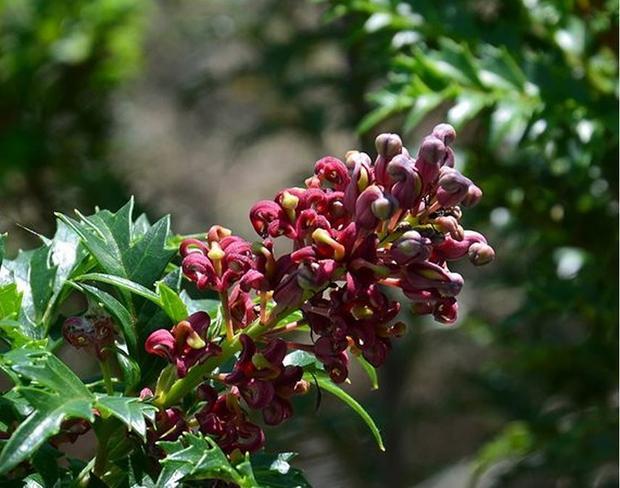
Back in 1934, a glossy leaved plant was discovered in the remote southwest part of Tasmania by the tin miner and naturalist Denny King. It was given the Latin name Lomatia Tasmanica, or King’s Holly (pictured above). It is literally clinging on to survival, as this plant, which does not bear fruit or seeds, is a self-cloning shrub.

In 1998, a fossil of the King’s Holly plant was finally carbon dated. The fossil leaves were found to date back to around 43,600 years ago, and although it bears red flowers, scientists found that it could not reproduce sexually due to its having three, and not two, chromosomes.

In fact, it has been found that the King’s Holly plant grows, dies and grows back up again, and it has been doing this for such a long time that it is generally acknowledged to be the oldest living plant on the planet. How awesome is that?


3. The largest Australian carnivorous marsupial

With dark brown striped fur, incredibly sharp teeth and a jaw that can open wider than any other mammal, the magnificent Tasmanian tiger once roamed the rainforests and open spaces of Tasmania.

It was Australia’s largest surviving carnivorous marsupial, that is, until 1936 when the last of its kind died in captivity. It was the top predator in Tasmania until it was hunted to extinction – or was it? A recent documentary that was released in 2015 revealed paw prints that might have been made by the Tasmanian tiger. Stay tuned.


4. The first art exhibition

English-born artist John Skinner Prout and his wife, a harpist, spent time travelling around Tasmania, and it was in Hobart in 1845 that he held a painting exhibition –Australia’s first known art exhibition. Tasmania might be small and located way down south, but it’s certainly had more than its fair share of Aussie firsts, wouldn’t you say?


5. The oldest brewery

The Cascade Brewery, based in Hobart, is more than just a famous Tassie landmark. It’s also Australia’s oldest brewery that is still in operation, having been established in 1824 by Peter Degraves. That is a pretty cool fact definitely worth celebrating, so cheers to that, and cheers to Tasmania!